Understanding Food Labels: What You Need to Know
Deciphering food labels is essential for making informed dietary choices. Learn how to understand nutritional facts, ingredients, and certifications.
The Importance of Reading Food Labels
Understanding food labels is crucial for making informed dietary choices. Food labels provide essential information about the nutrients, ingredients, and potential allergens in a product. By reading and interpreting these labels, you can better manage your health, avoid harmful substances, and ensure you are consuming a balanced diet. For instance, people with specific dietary needs, such as those with allergies or chronic conditions like diabetes, rely heavily on food labels to avoid adverse reactions. Therefore, taking the time to read and understand food labels is a vital step towards maintaining a healthy lifestyle.
Decoding Nutritional Information
The nutritional information section of a food label is often the most detailed part. It typically includes data on calories, fat content, carbohydrates, protein, fiber, vitamins, and minerals. Understanding these components can help you assess whether a food product aligns with your dietary goals. For example, if you're looking to reduce your fat intake, you can check the amount of saturated and trans fats listed. Similarly, if you're trying to increase your protein consumption, the protein content will be crucial. By familiarizing yourself with these terms and their implications, you can make more informed choices.
Serving Size and Portions
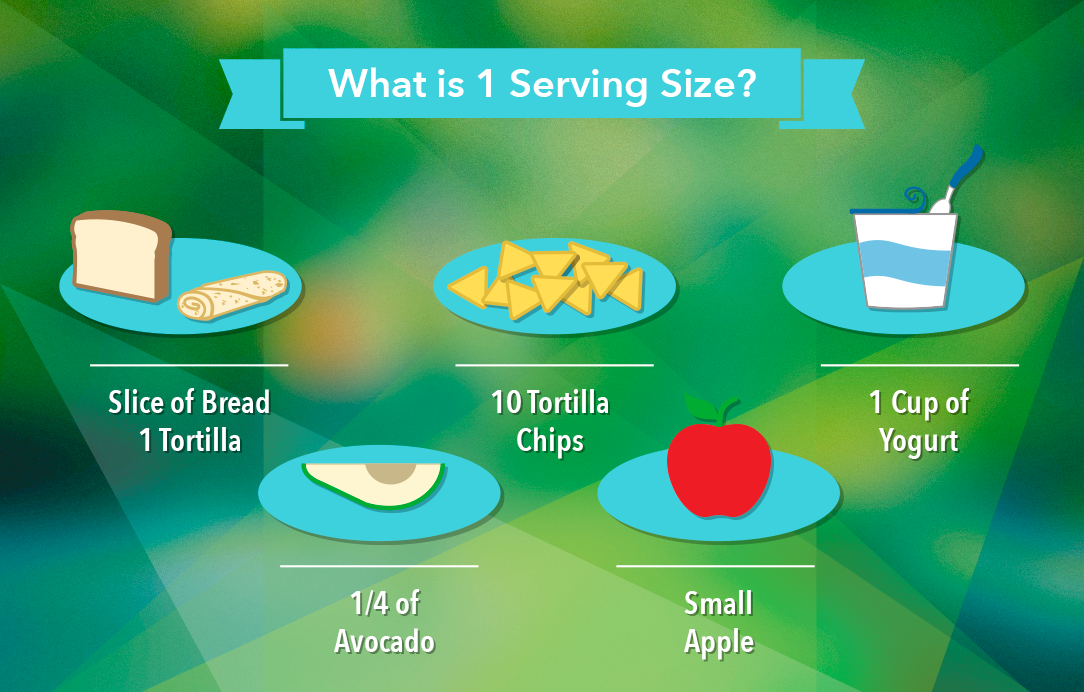
One of the most overlooked yet important aspects of food labels is the serving size. The nutritional information provided is based on a specific serving size, which may not always match the amount you consume. Misunderstanding serving sizes can lead to overeating or underestimating your nutrient intake. For instance, a bag of chips may list the nutritional information per serving, but the bag might contain multiple servings. Being aware of this can help you better gauge how much you're actually eating and how it fits into your daily nutritional needs.
Ingredient Lists and Additives
The ingredient list is another critical part of a food label. Ingredients are usually listed in descending order by weight, meaning the first few ingredients make up the bulk of the product. This section can help you identify added sugars, preservatives, and artificial additives. For those with dietary restrictions or allergies, the ingredient list is invaluable. For example, if you're allergic to nuts, a quick scan of the ingredient list can prevent a potentially dangerous situation. Moreover, understanding common additives and preservatives can help you make healthier choices by avoiding highly processed foods.
Understanding Allergen Information
Allergen information is typically highlighted on food labels to alert consumers to the presence of common allergens like nuts, dairy, gluten, and soy. This information is crucial for individuals with food allergies or intolerances. Manufacturers often include warnings about potential cross-contamination as well. For example, a product might be made in a facility that processes peanuts, even if peanuts are not an ingredient. Being vigilant about this information can help you avoid allergic reactions and maintain your health.
Claims and Certifications
Food labels often feature various claims and certifications, such as organic, non-GMO, gluten-free, and fair-trade. While these labels can guide you towards products that meet specific standards, it's essential to understand what they mean. For instance, a product labeled as organic must meet certain agricultural standards, while a non-GMO label indicates that the product does not contain genetically modified organisms. These claims can help you align your purchases with your values and dietary preferences, but it's crucial to verify their authenticity and understand their implications.
Tips for Better Label Reading
To become proficient at reading food labels, start by focusing on the most critical sections for your dietary needs. If you're managing your weight, pay close attention to calories and serving sizes. If you have a medical condition, prioritize the nutrients most relevant to your health. Additionally, be wary of marketing gimmicks that can make unhealthy products appear beneficial. Phrases like "low-fat" or "sugar-free" can be misleading if the product is high in other unhealthy ingredients. By developing a habit of thoroughly reading food labels, you can make more informed and healthier choices.