The Ultimate Guide to Indoor Plant Care
Discover essential tips and techniques for thriving indoor plants, from watering schedules to light requirements.
Choosing the Right Plants for Your Space
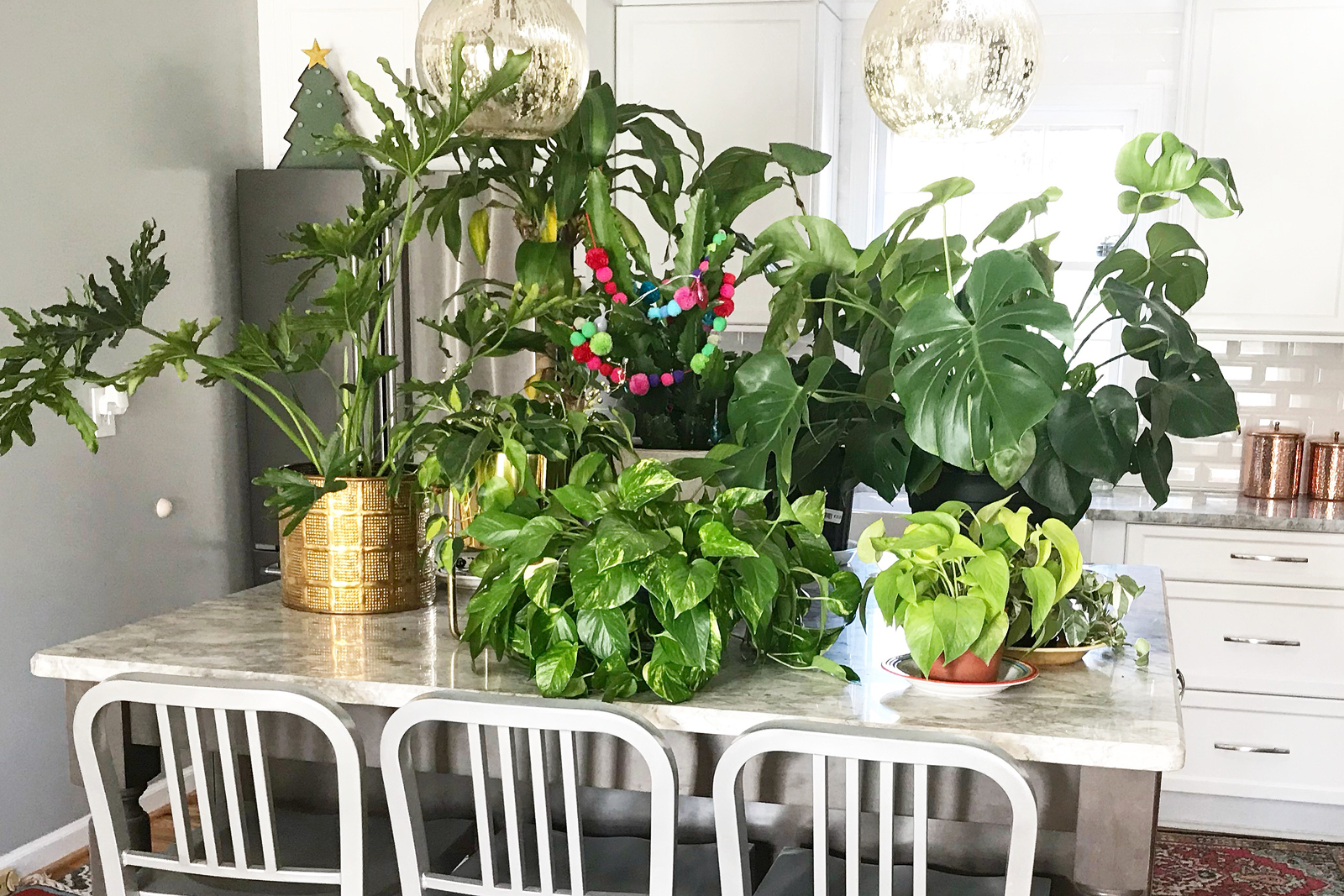
Selecting the perfect indoor plants begins with understanding your space and its unique conditions. Consider factors such as light levels, temperature, and humidity. For low-light areas, plants like snake plants and pothos are ideal. Conversely, if you have a bright, sunny spot, opt for succulents or fiddle leaf figs. It's also crucial to think about the size of the plant in relation to your space. Smaller plants like herbs or air plants can fit well on shelves or desks, while larger plants such as monstera or rubber plants can become stunning focal points in living rooms or offices. By matching your plant choices to your environment, you'll set the stage for successful indoor gardening.
Understanding Watering Needs
Proper watering is essential for the health of your indoor plants, but it's also one of the most common areas where mistakes are made. Different plants have varying water needs, so it's important to research each type's specific requirements. Generally, most indoor plants prefer to dry out slightly between waterings. Overwatering can lead to root rot, while underwatering can cause wilting and leaf drop. A good rule of thumb is to check the soil's moisture level by inserting your finger about an inch deep. If it feels dry, it's time to water. Additionally, consider the pot's drainage capabilities, as good drainage helps prevent water from stagnating at the roots.
Providing Adequate Light
Light is a critical factor in the growth and health of indoor plants. Understanding the light requirements of your plants will help them thrive. Low-light plants such as ZZ plants and philodendrons can survive in dimmer conditions, making them suitable for rooms with limited natural light. On the other hand, high-light plants like cacti and succulents need plenty of direct sunlight to flourish. If your space lacks natural light, consider using grow lights to supplement. Positioning your plants near windows and rotating them regularly ensures they receive even light exposure, promoting balanced growth and preventing them from leaning towards the light source.
Soil and Fertilization
The type of soil you use plays a significant role in the health of your indoor plants. Most houseplants thrive in a well-draining potting mix that allows for proper aeration. Avoid using garden soil, as it can be too dense and may harbor pests. Specialized mixes are available for different types of plants, such as cactus soil for succulents or orchid bark for orchids. In addition to the right soil, fertilization is key to providing essential nutrients. Use a balanced, water-soluble fertilizer during the growing season to support robust growth. Be cautious not to over-fertilize, as this can lead to nutrient burn and damage the plant.
Managing Pests and Diseases
Indoor plants are susceptible to pests and diseases, even in a controlled environment. Common pests include spider mites, aphids, and mealybugs. Regularly inspect your plants for signs of infestation, such as discolored leaves or sticky residue. If pests are detected, treat them promptly using natural remedies like neem oil or insecticidal soap. Diseases such as powdery mildew and root rot can also affect indoor plants. To prevent these issues, ensure proper air circulation, avoid overwatering, and remove any dead or decaying plant material. Keeping your plants healthy and monitoring them regularly will help you manage and prevent pest and disease problems effectively.