The Ultimate Guide to Balanced Nutrition
Discover the essentials of balanced nutrition, including macronutrients, micronutrients, and tips for a healthy diet.
Understanding Balanced Nutrition
Balanced nutrition is the cornerstone of a healthy lifestyle. It involves consuming a variety of foods in the right proportions to provide your body with essential nutrients. Macronutrients such as carbohydrates, proteins, and fats, along with micronutrients like vitamins and minerals, play crucial roles in maintaining bodily functions. The key is to strike a balance that supports your energy needs and promotes overall well-being. By including a diverse range of foods, you ensure that your body gets the necessary nutrients to function optimally, reducing the risk of chronic diseases and enhancing your quality of life.
The Role of Macronutrients
Macronutrients are the primary sources of energy for the body. Carbohydrates are the body's main energy source and should make up about 45-65% of your daily intake. Proteins are essential for growth, repair, and maintenance of tissues and should constitute 10-35% of your diet. Fats, though often misunderstood, are vital for brain health and hormone production, making up 20-35% of your daily intake. Each macronutrient serves a unique purpose, and a deficiency or excess of any can lead to health issues. Balancing these nutrients helps in maintaining a healthy weight, supporting metabolic functions, and providing sustained energy throughout the day.
The Importance of Micronutrients
Micronutrients, though required in smaller quantities, are no less important than macronutrients. Vitamins and minerals are crucial for various bodily functions, including immune response, bone health, and cellular repair. For instance, Vitamin C aids in the absorption of iron and boosts the immune system, while Calcium is vital for bone density and muscle function. A deficiency in these nutrients can lead to severe health problems such as anemia, osteoporosis, and weakened immunity. Incorporating a variety of fruits, vegetables, nuts, and seeds into your diet ensures that you receive an adequate supply of these essential nutrients.
Tips for Achieving Balanced Nutrition
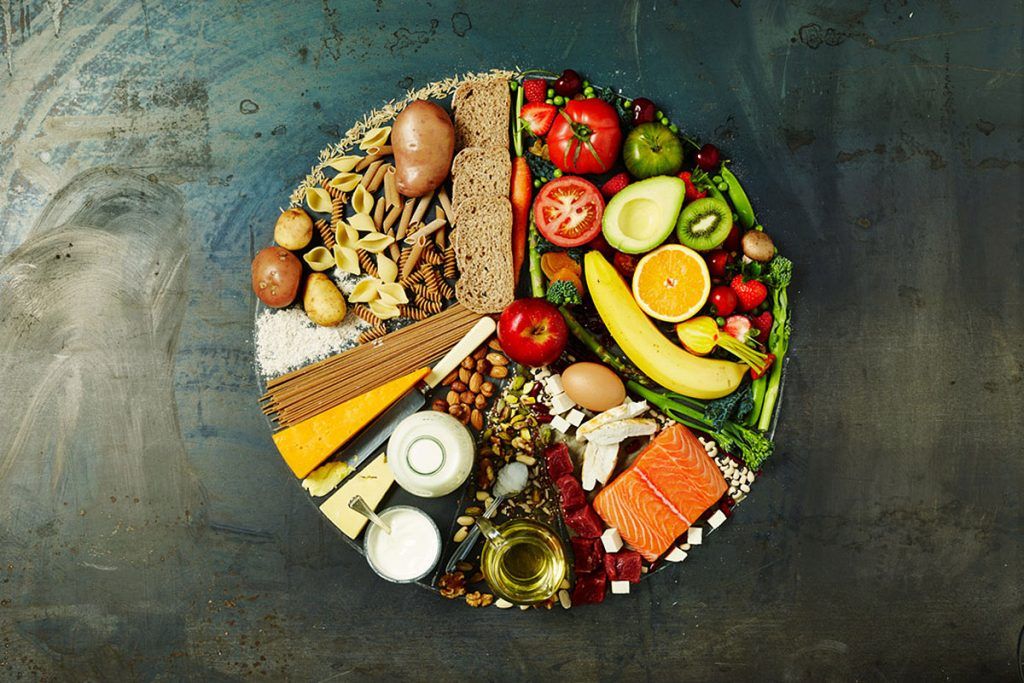
Achieving balanced nutrition doesn't have to be complicated. Start by incorporating a variety of food groups into your meals. Aim for a colorful plate, as different colors often represent different nutrients. Whole grains, lean proteins, healthy fats, and a plethora of fruits and vegetables should be staples in your diet. Portion control is also crucial; even healthy foods can contribute to weight gain if consumed in large quantities. Additionally, staying hydrated by drinking plenty of water aids in digestion and nutrient absorption. Planning meals ahead and being mindful of your eating habits can significantly contribute to maintaining balanced nutrition.
The Long-Term Benefits
Adopting a balanced nutrition plan offers numerous long-term benefits. It helps in maintaining a healthy weight, reducing the risk of chronic diseases such as diabetes, heart disease, and hypertension. Balanced nutrition also improves mental health, enhancing mood and cognitive function. A well-nourished body is better equipped to handle stress, recover from illness, and perform daily activities efficiently. Moreover, good nutrition habits instilled early can lead to a lifetime of better health, making it easier to maintain physical and mental well-being as you age. Prioritizing balanced nutrition is an investment in your long-term health and quality of life.