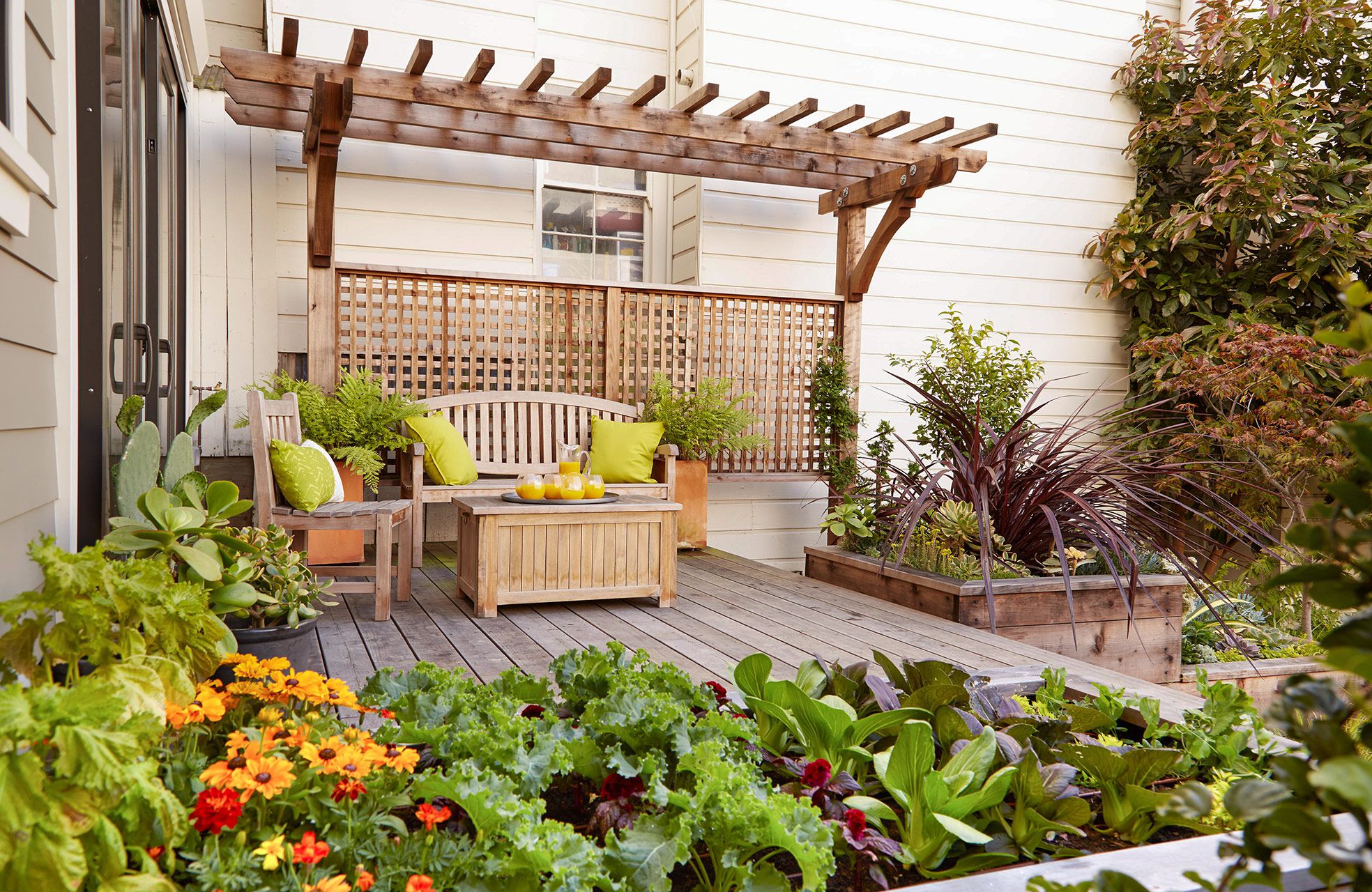
Innovative Ideas for Small Space Gardening
Discover creative and practical solutions to maximize your small space gardening efforts, transforming even the tiniest areas into lush, green havens.
Vertical Gardens: Maximizing Space Upwards
When space is limited, thinking vertically can open up a world of possibilities. Vertical gardens allow you to grow a variety of plants without taking up much floor space. You can use shelves, wall-mounted planters, or even repurpose items like shoe organizers. This method is particularly beneficial for growing herbs, succulents, and small vegetables. By utilizing vertical space, you not only save room but also create an eye-catching green wall that adds aesthetic value to your home. Moreover, vertical gardening can improve air circulation around your plants, reducing the risk of pests and diseases.
Container Gardening: Flexibility and Mobility
Container gardening is a versatile and practical solution for small spaces. Pots, planters, and even old buckets can be used to grow a wide variety of plants, from flowers to vegetables. The key advantage of container gardening is its flexibility; you can move the containers around to optimize sunlight exposure and manage space efficiently. Additionally, containers can be placed on balconies, windowsills, or patios, making it easy to incorporate greenery into any small area. Ensure your containers have good drainage to prevent waterlogging and choose the right soil mix for your plants.
Hanging Gardens: Utilizing Overhead Space
For those with very limited ground space, hanging gardens offer a creative solution. Hanging baskets, pots, or even repurposed bottles can be suspended from ceilings, balconies, or pergolas. This method not only saves floor space but also adds a unique visual element to your garden. Hanging gardens are perfect for trailing plants like ivy, ferns, and strawberries. Ensure you use sturdy hooks and supports to bear the weight of the plants and soil. Regular watering is essential, as hanging plants tend to dry out faster due to increased air circulation.
Window Boxes: Bringing Greenery Indoors
Window boxes are an excellent way to bring a touch of nature into your living space. They can be installed on the exterior or interior of windows, providing an ideal environment for growing flowers, herbs, and even small vegetables. Window boxes are particularly useful for apartment dwellers who may not have access to a garden. They also help in maximizing sunlight exposure, as windows are often the sunniest spots in a home. Choose boxes with adequate drainage and use a high-quality potting mix to ensure healthy plant growth.
Raised Beds: Efficient Use of Limited Ground Space
If you have a small patch of ground available, consider creating raised beds. These are elevated garden plots that provide better soil control, improved drainage, and easier access for planting and maintenance. Raised beds can be constructed from wood, stone, or even repurposed materials like old pallets. They are ideal for growing vegetables, herbs, and flowers in a confined space. By elevating the soil, you can also reduce the risk of soil compaction and root damage. Additionally, raised beds can be designed to fit into any small space, making them highly customizable.
Companion Planting: Maximizing Plant Compatibility
Companion planting involves growing different plants together to enhance growth, deter pests, and improve yields. This method is particularly useful in small space gardening, as it maximizes the use of available space and resources. For example, planting basil alongside tomatoes can improve the flavor and growth of the tomatoes while deterring pests. Similarly, marigolds can be planted with vegetables to repel harmful insects. Understanding the compatibility of different plants can help you create a more productive and harmonious garden, even in limited spaces.
Indoor Herb Gardens: Fresh Flavors at Your Fingertips
Growing an indoor herb garden is a fantastic way to have fresh flavors readily available for your cooking. Herbs like basil, parsley, mint, and thyme can thrive indoors with proper care. Use small pots or containers placed on windowsills or kitchen counters where they can receive adequate sunlight. Indoor herb gardens are not only functional but also add a pleasant aroma and greenery to your living space. Regular pruning and proper watering are essential to keep your herbs healthy and productive. With an indoor herb garden, you can enjoy the convenience of fresh herbs without needing much space.