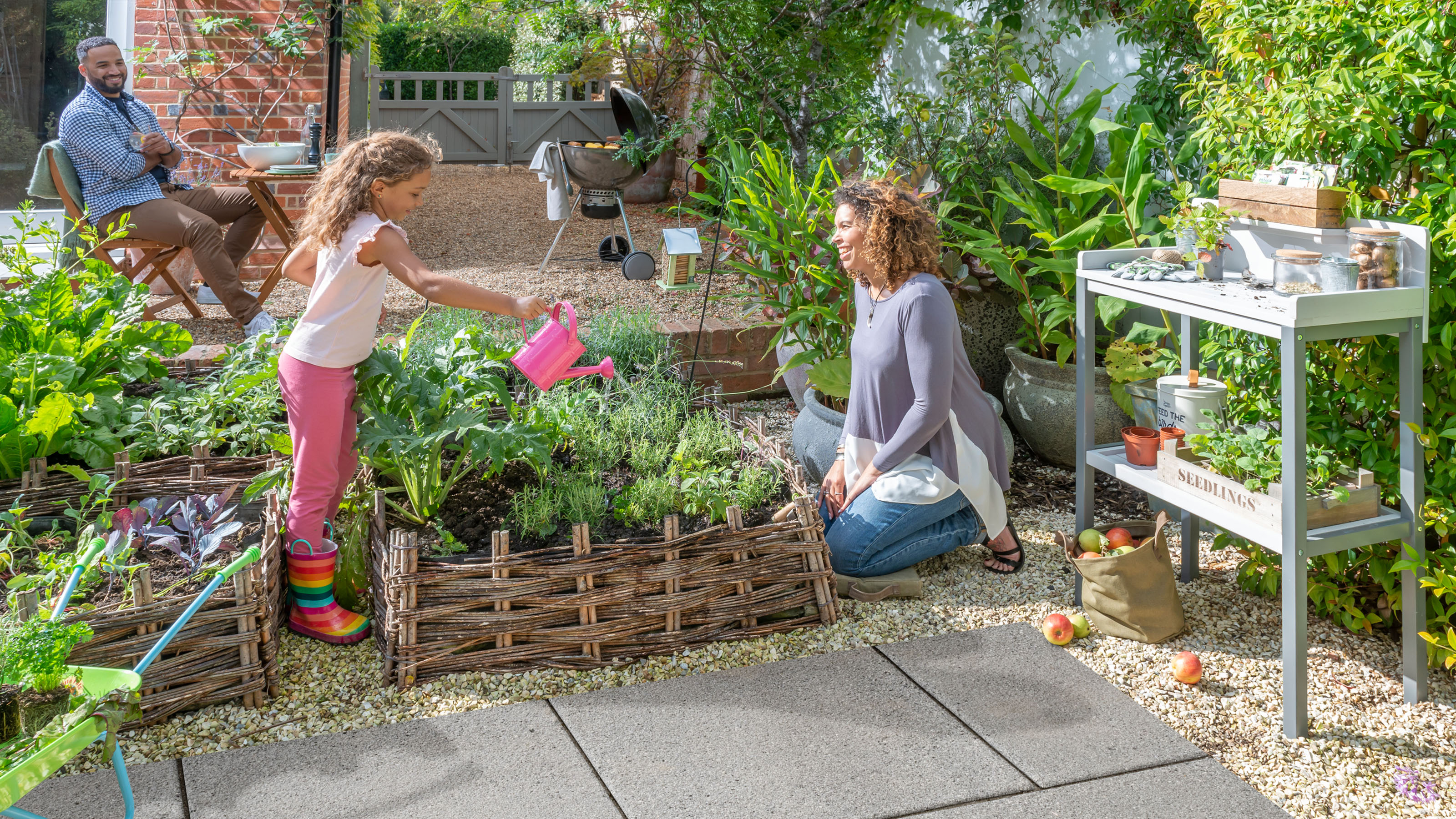
How to Design a Functional and Beautiful Kitchen Garden
Learn how to design a functional and beautiful kitchen garden with these essential tips, from layout planning to plant selection.
Planning Your Kitchen Garden
Designing a functional and beautiful kitchen garden starts with meticulous planning. Begin by assessing the available space and determining the types of plants you wish to grow. Consider factors such as sunlight exposure, soil quality, and proximity to water sources. Sketch a rough layout, marking areas for different plant types, pathways, and any garden structures like trellises or raised beds. By taking the time to plan, you can ensure your garden is both aesthetically pleasing and productive. Companion planting is a useful strategy, where certain plants support each other's growth, enhancing the overall health and yield of your garden.
Choosing the Right Plants
Selecting the right plants is crucial for a successful kitchen garden. Focus on herbs, vegetables, and fruits that you frequently use in your cooking. Consider the growing conditions of your garden space; for instance, tomatoes and peppers thrive in sunny spots, while leafy greens like spinach and lettuce prefer partial shade. It's also beneficial to choose plants with varying harvest times, ensuring a continuous supply of fresh produce. Remember to include some perennial plants that will return year after year, reducing the need for replanting and providing a consistent yield.
Soil Preparation and Fertility
Healthy soil is the foundation of a thriving kitchen garden. Start by testing your soil to understand its pH and nutrient levels. Based on the results, amend the soil with organic matter such as compost or well-rotted manure to improve fertility and structure. Mulching is another effective technique to retain moisture, suppress weeds, and regulate soil temperature. Regularly add organic fertilizers to replenish nutrients and maintain soil health. Ensuring your soil is rich and well-draining will support robust plant growth and increase your garden's productivity.
Efficient Watering Techniques
Watering is a critical aspect of maintaining a kitchen garden. Implementing efficient watering techniques can save water and promote healthier plants. Drip irrigation systems are highly effective, delivering water directly to the plant roots with minimal waste. Alternatively, soaker hoses and watering cans can be used for more targeted watering. Water your plants early in the morning or late in the evening to reduce evaporation. Mulching also helps retain soil moisture, reducing the frequency of watering needed. Monitor the moisture levels regularly to ensure your plants receive adequate hydration without becoming waterlogged.
Incorporating Garden Structures
Adding structures to your kitchen garden can enhance both its functionality and beauty. Raised beds are an excellent option for improving soil quality and drainage while making gardening more accessible. Trellises and vertical gardens allow you to maximize space by growing climbing plants like beans, cucumbers, and tomatoes. Garden paths, made from materials like gravel or stepping stones, provide easy access and prevent soil compaction. Decorative elements such as garden arches, benches, and birdbaths can add visual interest and create a pleasant environment for relaxation.
Pest and Disease Management
Keeping pests and diseases at bay is essential for a healthy kitchen garden. Practice integrated pest management (IPM) by combining biological, cultural, and mechanical methods to control pests. Encourage beneficial insects like ladybugs and predatory beetles by planting nectar-rich flowers. Use physical barriers such as row covers to protect plants from insects. Regularly inspect your garden for signs of pests or diseases and address issues promptly. Natural remedies like neem oil or insecticidal soap can be effective against common pests without harming the environment.
Harvesting and Maintenance
Regular maintenance and timely harvesting are key to sustaining a productive kitchen garden. Pruning and trimming help manage plant growth and improve air circulation, reducing the risk of diseases. Keep your garden tidy by removing dead leaves and weeds. Harvest crops at their peak ripeness for the best flavor and nutritional value. Continuous harvesting, especially of herbs and leafy greens, encourages new growth. Store or preserve excess produce to enjoy your garden's bounty year-round. By staying attentive to your garden's needs, you can ensure it remains a beautiful and fruitful addition to your home.