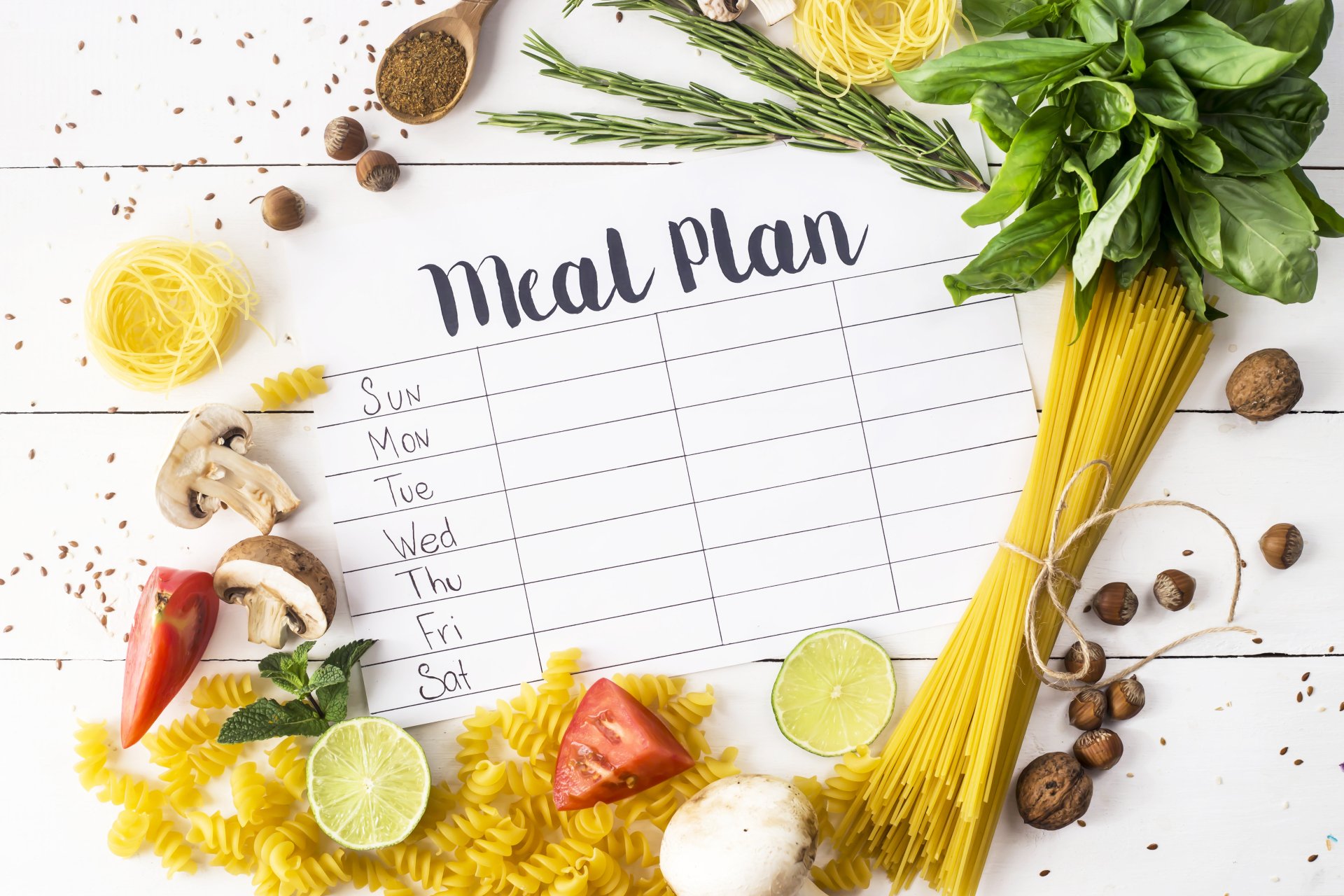
How to Create a Weekly Meal Plan on a Budget
Learn how to create a weekly meal plan on a budget with these simple tips to save money while enjoying nutritious meals.
Assess Your Current Spending and Eating Habits
Before diving into meal planning, it's crucial to assess your current spending and eating habits. Take a week to track all your food-related expenses, including groceries, dining out, and snacks. This will give you a clear picture of where your money is going and identify areas for potential savings. Additionally, note any dietary restrictions or preferences to ensure your meal plan is both cost-effective and enjoyable. Understanding your baseline will help you set realistic goals and tailor your plan to meet your specific needs. By knowing what you spend and eat, you can make informed decisions that align with your budget and lifestyle.
Plan Your Meals Around Sales and Seasonal Produce
One of the best ways to save money on groceries is to plan your meals around sales and seasonal produce. Check weekly flyers from your local grocery stores to see what's on sale and incorporate those items into your meal plan. Seasonal produce is often cheaper and fresher, making it a great choice for budget-friendly meals. For instance, if chicken is on sale, plan a few meals around it, such as chicken stir-fry, chicken salad, or chicken soup. By being flexible and adaptable with your menu, you can take advantage of discounts and reduce your overall grocery bill.
Create a Detailed Shopping List
Once you've planned your meals, the next step is to create a detailed shopping list. This list should include all the ingredients you'll need for the week, categorized by section (e.g., produce, dairy, meat). Having a detailed list helps you stay focused while shopping and prevents impulse buys that can blow your budget. Stick to your list as closely as possible, but be open to making substitutions if you find a cheaper alternative. Additionally, consider buying in bulk for items you use frequently, as this can lead to long-term savings. A well-organized shopping list is a key tool in maintaining your budget.
Cook in Batches and Use Leftovers Wisely
Cooking in batches is an effective strategy for saving both time and money. Prepare larger portions of meals that can be easily reheated or repurposed throughout the week. For example, a big pot of chili can serve as dinner one night and be transformed into chili-stuffed baked potatoes the next. Similarly, roasted vegetables can be used in salads, wraps, or as a side dish. Using leftovers wisely not only minimizes waste but also reduces the need to buy additional ingredients. Batch cooking ensures you always have a home-cooked meal ready, which can help you avoid the temptation of costly takeout.
Evaluate and Adjust Your Plan Regularly
Creating a meal plan is not a one-time task; it requires regular evaluation and adjustment. At the end of each week, review what worked well and what didn't. Did you end up with too much food or not enough? Were there meals that your family didn't enjoy? Use this feedback to tweak your plan for the following week. Additionally, keep an eye on your spending to ensure you're staying within your budget. By continuously refining your meal plan, you'll become more efficient and adept at creating cost-effective, delicious meals. Regular adjustments ensure that your plan remains sustainable and aligned with your financial goals.