Healthy Aging: Tips for Staying Active and Fit
Discover essential tips for staying active and fit as you age, promoting a healthier and more vibrant lifestyle well into your golden years.
Embrace Regular Exercise
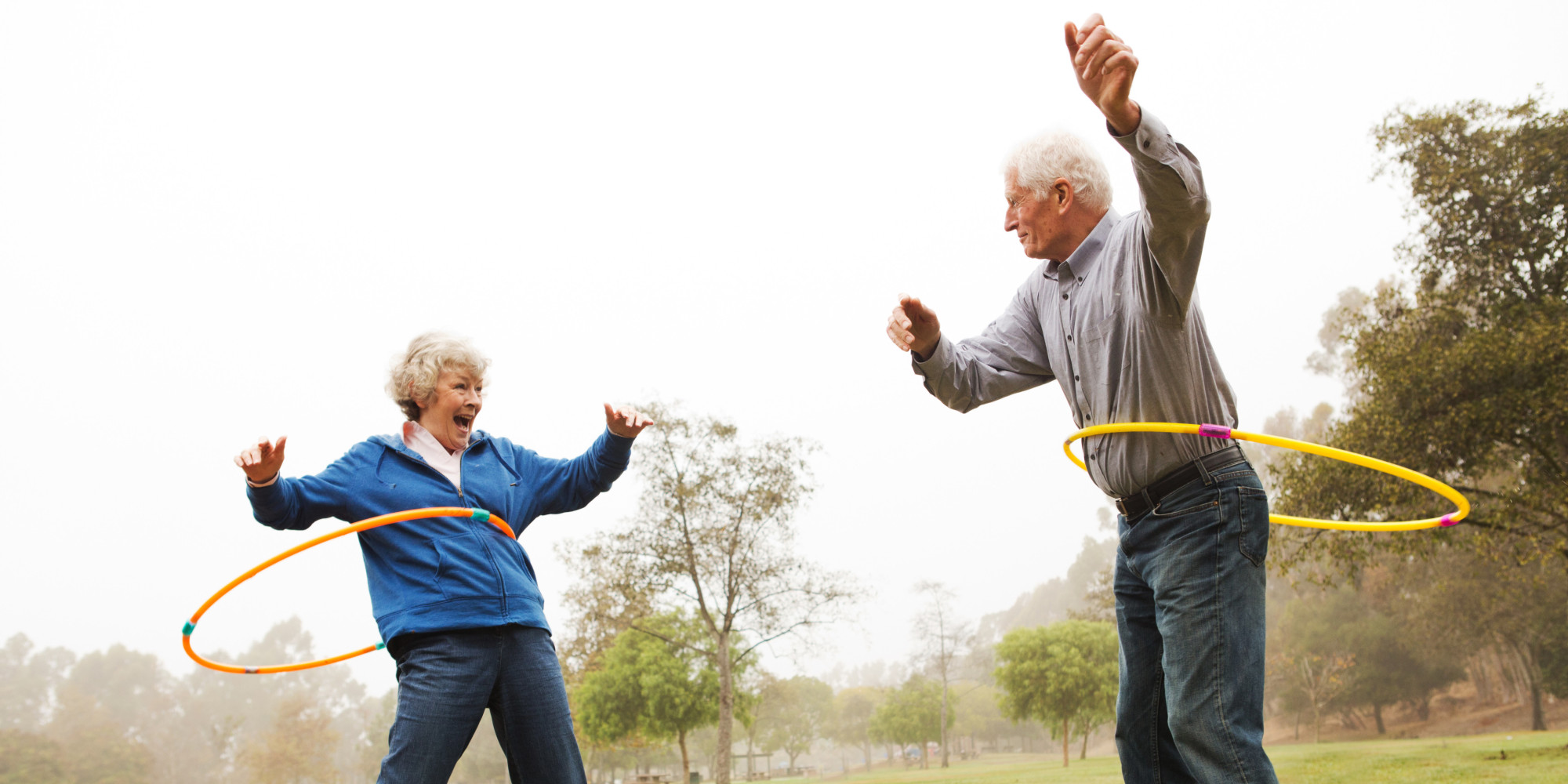
Regular exercise is crucial for maintaining physical health and well-being as you age. Engaging in a variety of physical activities can help improve cardiovascular health, strengthen muscles, and enhance flexibility. Consider incorporating both aerobic exercises like walking, swimming, or cycling, and strength training exercises such as weight lifting or resistance band workouts. Aim for at least 30 minutes of moderate exercise most days of the week. Remember, it's never too late to start, and even small amounts of physical activity can make a significant difference in your health. Consult with a healthcare provider before beginning any new exercise regimen to ensure it's appropriate for your individual health status and capabilities.
Prioritize a Balanced Diet
A balanced diet is essential for healthy aging. Focus on consuming a variety of nutrient-dense foods, including plenty of fruits and vegetables, lean proteins, whole grains, and healthy fats. Proper nutrition can help maintain energy levels, support immune function, and reduce the risk of chronic diseases such as heart disease, diabetes, and osteoporosis. Pay attention to portion sizes and try to limit the intake of processed foods, sugars, and saturated fats. Staying hydrated is equally important, so make sure to drink plenty of water throughout the day. Consider consulting with a nutritionist to tailor a diet plan that meets your specific needs and preferences.
Stay Socially Connected
Maintaining social connections is vital for mental and emotional well-being as you age. Engaging in social activities can help prevent feelings of loneliness and isolation, which are common among older adults. Join clubs, volunteer, or participate in community events to stay connected with others. Building and maintaining strong relationships with family and friends can provide emotional support and enhance your quality of life. Consider using technology to stay in touch with loved ones if physical distance is a barrier. Regular social interaction can also stimulate your mind and keep cognitive functions sharp.
Keep Your Mind Active
Cognitive health is just as important as physical health in the aging process. Keeping your mind active can help maintain mental acuity and reduce the risk of cognitive decline. Engage in activities that challenge your brain, such as puzzles, reading, learning a new skill or language, or playing musical instruments. Consider taking up hobbies that require mental effort and creativity. Additionally, staying socially active and maintaining a healthy lifestyle can also contribute to better cognitive health. Don't hesitate to seek out new experiences and lifelong learning opportunities to keep your mind engaged and resilient.
Prioritize Sleep
Adequate sleep is essential for overall health and well-being. As you age, changes in sleep patterns are common, but it's important to strive for quality rest. Aim for 7-9 hours of sleep per night and establish a regular sleep routine. Create a comfortable sleep environment by keeping your bedroom cool, dark, and quiet. Avoid caffeine and heavy meals close to bedtime, and limit exposure to screens before sleeping. If you experience persistent sleep problems, consult with a healthcare provider to address any underlying issues. Good sleep can improve mood, memory, and physical health, making it a cornerstone of healthy aging.
Manage Stress Effectively
Stress management is crucial for maintaining both mental and physical health as you age. Chronic stress can contribute to a variety of health issues, including heart disease, depression, and weakened immune function. Practice stress-reducing techniques such as meditation, deep breathing exercises, yoga, or tai chi. Engage in activities that bring you joy and relaxation, whether it's gardening, painting, or spending time with loved ones. Regular physical activity and adequate sleep also play significant roles in managing stress levels. Developing healthy coping mechanisms can enhance your resilience and overall quality of life.
Regular Health Check-Ups
Routine health check-ups are essential for early detection and prevention of health issues. Regular visits to your healthcare provider can help monitor your health and manage any chronic conditions. Screenings for blood pressure, cholesterol, diabetes, and osteoporosis are important as you age. Stay up-to-date with vaccinations and discuss any changes in your health or new symptoms with your doctor. Preventive care, including dental and eye exams, is also crucial for maintaining overall health. By staying proactive about your health, you can address potential problems early and maintain a higher quality of life.
Stay Positive and Embrace Aging
A positive mindset can significantly impact your overall well-being and quality of life. Embrace the aging process with optimism and focus on the opportunities it brings. Practice gratitude and celebrate your achievements and milestones. Surround yourself with supportive and positive people who uplift and encourage you. Engage in activities that give you a sense of purpose and fulfillment. Remember that aging is a natural part of life, and with the right mindset and habits, you can enjoy a healthy, active, and fulfilling life. Adopting a positive outlook can enhance your resilience and help you navigate the challenges of aging with grace.