Boosting Your Immune System Naturally
Discover natural ways to enhance your immune system, from nutrient-rich foods to stress management techniques.
Understanding the Immune System
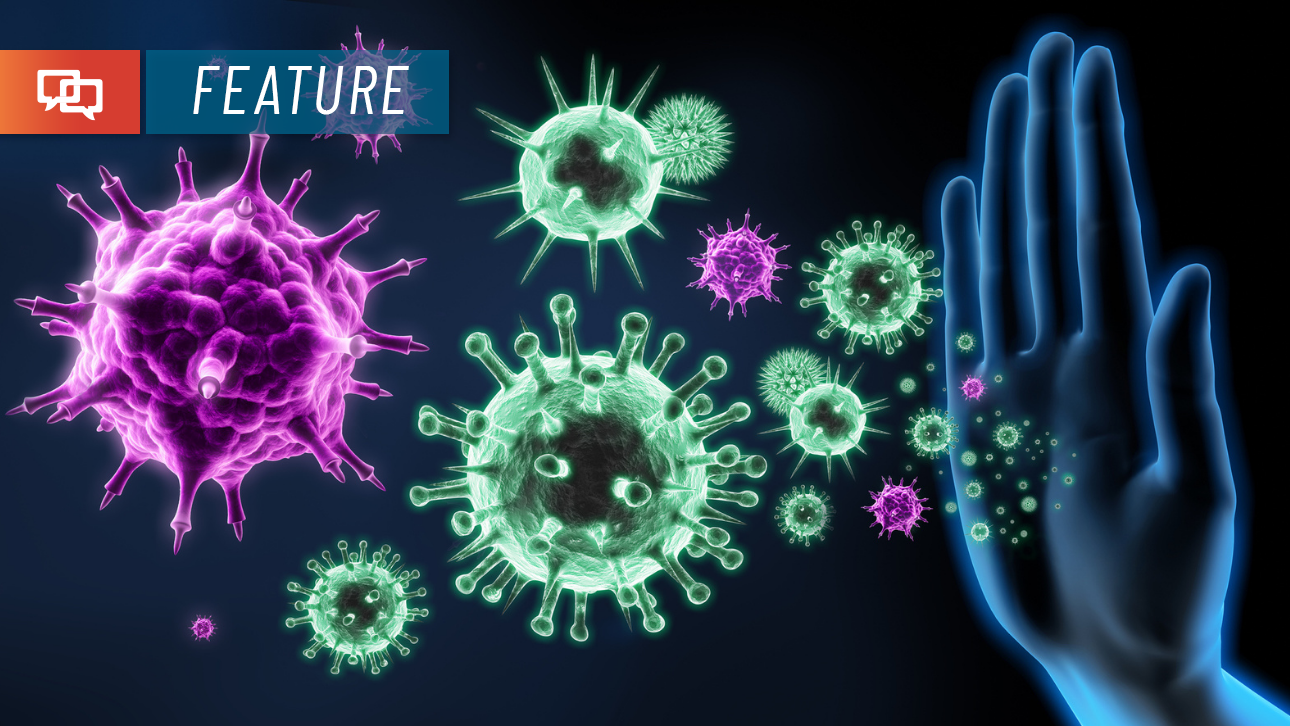
The immune system is our body's defense mechanism against harmful pathogens, such as bacteria, viruses, and other foreign invaders. It is composed of various cells, tissues, and organs that work in harmony to identify and neutralize threats. A robust immune system is crucial for maintaining overall health and well-being. By understanding how the immune system functions, we can take proactive steps to support and enhance its efficiency. Key components include white blood cells, antibodies, the spleen, thymus, and lymphatic system. Each plays a vital role in detecting and responding to infections, making it essential to keep these elements in optimal condition through healthy lifestyle choices.
Nutrition and Diet
One of the most effective ways to boost your immune system naturally is through a balanced and nutritious diet. Consuming a variety of fruits and vegetables provides essential vitamins and minerals, such as vitamin C, vitamin D, and zinc, which are known to enhance immune function. Incorporating foods rich in antioxidants, like berries, nuts, and seeds, can help combat oxidative stress and inflammation. Additionally, probiotics found in yogurt and fermented foods support gut health, which is closely linked to immunity. Hydration is also crucial; drinking plenty of water ensures that bodily functions, including those of the immune system, operate smoothly.
Physical Activity
Regular physical activity is another cornerstone of a strong immune system. Exercise promotes good circulation, allowing immune cells to move freely throughout the body and perform their protective roles more effectively. Activities such as walking, jogging, swimming, and yoga can reduce stress hormones, which can otherwise suppress immune function. Aim for at least 30 minutes of moderate exercise most days of the week. Remember, consistency is key; even low-intensity activities like stretching and light aerobic exercises can contribute to overall immune health when performed regularly.
Adequate Sleep
Getting sufficient and quality sleep is fundamental to immune health. During sleep, the body undergoes critical repair and regeneration processes, including the production of cytokines, which are proteins that aid in the immune response. Lack of sleep can lead to a weakened immune system, making you more susceptible to infections. Aim for 7-9 hours of uninterrupted sleep each night. Establishing a regular sleep schedule, creating a restful environment, and avoiding stimulants like caffeine before bedtime can significantly improve sleep quality and, consequently, immune function.
Stress Management
Chronic stress can have a detrimental impact on the immune system. Prolonged exposure to stress hormones like cortisol can suppress immune responses, making the body more vulnerable to illness. Implementing stress management techniques such as mindfulness, meditation, deep breathing exercises, and hobbies can help mitigate these effects. Additionally, social support from friends and family plays a crucial role in emotional well-being, which in turn supports immune health. Prioritizing mental health and finding effective ways to cope with stress is essential for maintaining a resilient immune system.
Natural Supplements
In addition to a healthy diet and lifestyle, certain natural supplements can provide an extra boost to your immune system. Herbal supplements like echinacea, elderberry, and garlic have been traditionally used to enhance immune function. Vitamins and minerals such as vitamin C, vitamin D, and zinc can also be taken in supplement form if dietary intake is insufficient. However, it is important to consult with a healthcare professional before starting any new supplement regimen to ensure it is appropriate for your individual health needs and to avoid potential interactions with medications.